Passe Culinaire
Menu

CulinAIre Kitchen · By Passe Culinaire

Behind every service.

The recipes, stock, preparation and people. A connected view of the kitchen, from the first plan to the final sales record. AI helps with recipe development and culinary questions.

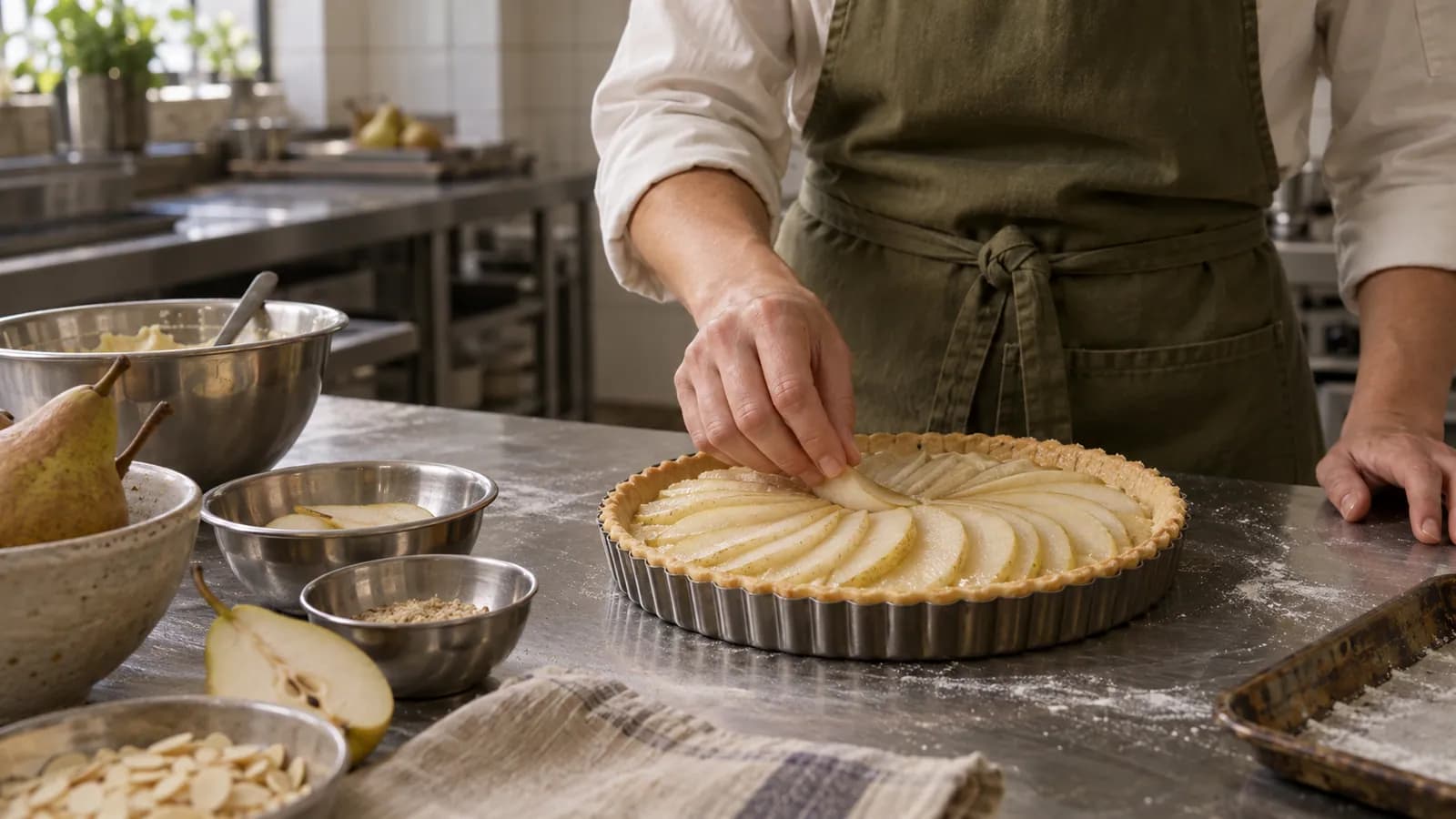
Illustrative pastry chef at work, preparing components at the bench.

A kitchen day, considered.

For chefs running service and owners keeping the whole business in view.

01

Plan the day.

Begin with the service ahead: what to prepare, who is working and what the team needs to know.

Forecasting & rostering: Review expected covers, preparation priorities and section coverage.

Team messaging: Keep the team’s preparation plan and conversations together.

02

Know what comes in.

Follow the ingredients from the purchase order to the stockroom, then on to the section.

Purchasing & receiving: Prepare orders, check deliveries and record what was accepted.

Inventory & stock transfers: Keep stock, batches and movement between sections in view.

03

Prepare for service.

Bring the plan to the bench. Keep preparation, production and menu costs connected.

Mise en Place & production: Draw ingredients, organise the work and record completed batches.

Menu & costing: Connect recipes and portions to the cost of the menu.

04

Understand what went out.

Close the day with a record of what was used, lost and sold. Bring that view to the next service.

Waste Management: Record losses and their reasons, separately from usable stock returned.

Sales: Upload sales data and review what was planned, prepared and sold.

Illustrative cocktail development at the bar.

Three disciplines. Space to explore.

Recipe · Patisserie · Cocktail

Recipe Lab

Develop dishes around ingredients, portions and technique. Refine the recipe and review its cost.

Patisserie Lab

Work through pastry components, methods and make-ahead preparation.

Cocktail Lab

Explore spirit, flavour and style. Build a drink specification and a batch for service.

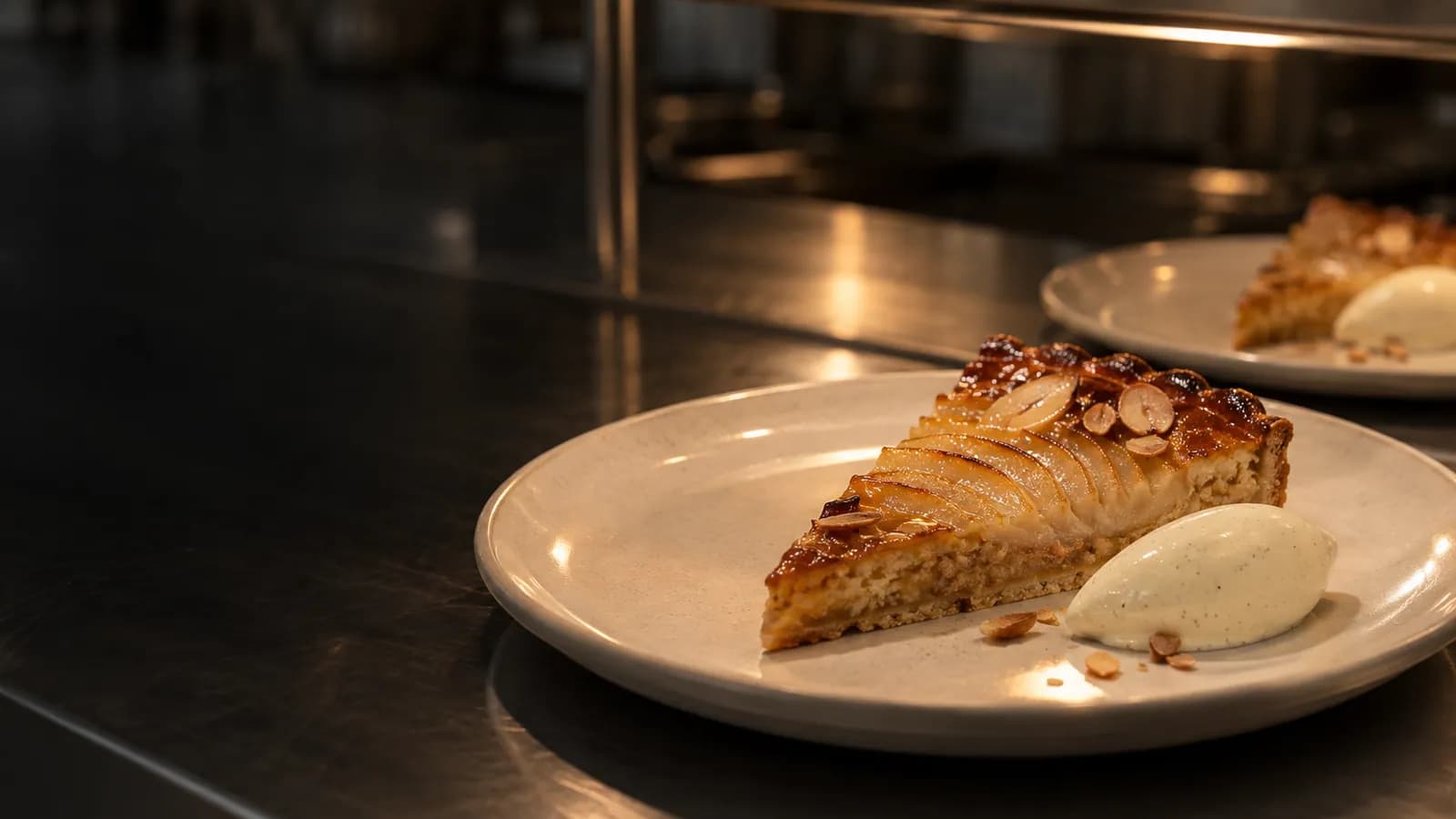
Illustrative finished tart at the kitchen pass.

One practical example

Two tarts. Shared ingredients.

Lemon tart and fruit tart both use flour and butter. CulinAIre Kitchen shows ingredients shared by selected dishes, with their combined quantities in the prep session.

Lemon tart · Flour and butter

Fruit tart · Flour and butter

The chef reviews the quantities and decides what to prepare.

The kitchen on film

Watch the day come together.

From forecast and preparation to service, waste and sales.

A pear tart on the kitchen bench, with a chef reviewing the day ahead.
  1. Opening. A kitchen day connects the food, the people and the decisions behind service.
  2. Forecast. Review expected covers and decide what the team needs to prepare.
  3. Rostering. Review shifts and section coverage. Send the preparation plan to the team before work begins.
  4. Recipe Lab. Set ingredients, cuisine and portions. Develop and refine the recipe, then review the menu cost.
  5. Patisserie Lab. Develop the pastry by type and technique, with component planning and make-ahead notes.
  6. Cocktail Lab. Choose the spirit base, flavour and style. Develop a drink specification and a batch for service.
  7. Purchasing. Review stock against the target, prepare a purchase order and track what was ordered.
  8. Receiving. Inspect the delivery against the purchase order. Record accepted quantities and a short delivery.
  9. Inventory. Keep opening stock and the new delivery visible as separate batches. Draw from the older stock first.
  10. Mise en Place. Draw the ingredients, record the transfer and organise the preparation tasks for the pastry section.
  11. Production. Work through the preparation and baking stages, then record the completed yield for service.
  12. Service. The savoury kitchen, pastry section and bar bring their preparation to service.
  13. Waste Management. Separate recipe use, usable stock returned and preparation waste. Record the reason and review its cost.
  14. Sales. Upload the sales file and compare what was planned, prepared and sold. Review unsold portions separately from waste.
  15. The whole kitchen. CulinAIre Kitchen brings the eleven areas into view, from the three labs to the daily operation.

Illustrative figures: 80 forecast covers and 74 served; 24 pear tart portions prepared, 21 sold and 3 remaining for review. Pear stock begins at 8 kg. A 10 kg delivery is accepted against 12 kg ordered, bringing stock to 18 kg. Then 3 kg is drawn, with 2.4 kg used in the recipe, 0.3 kg returned and 0.3 kg recorded as waste. At an illustrative $4 per kg, that waste is $1.20. Closing stock is 15.3 kg. The separate savoury recipe example uses a $3.20 portion cost and $16 menu price, or 20% food cost.

This is an illustrative kitchen story, not a product screen or a claim of automatic product behaviour.

See where it fits in your kitchen.

Explore CulinAIre Kitchen, or talk with us about the way your team works.

Visit CulinAIre Kitchen

Talk to us